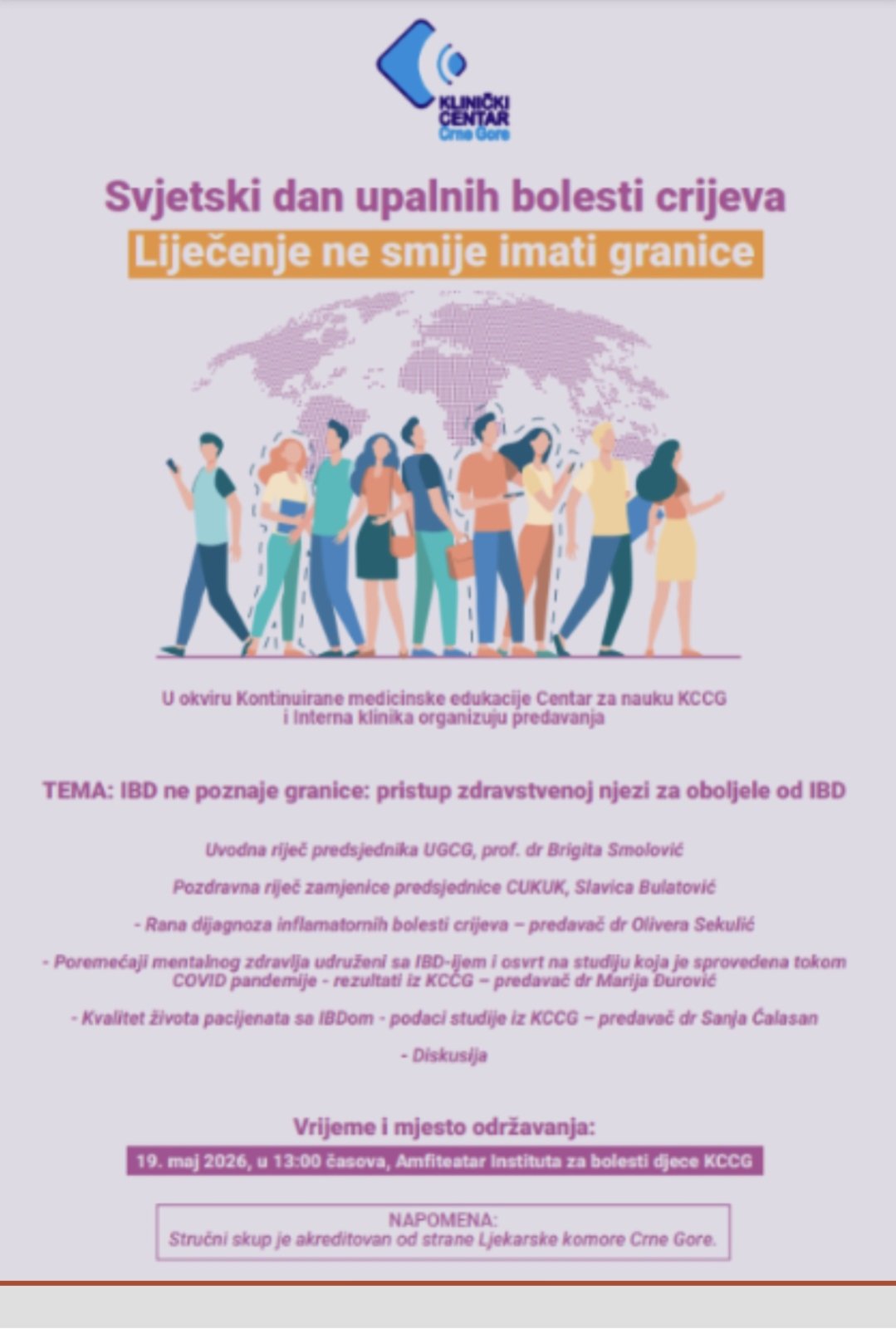
This is World IBD Day: “Treatment Must Know No Borders“

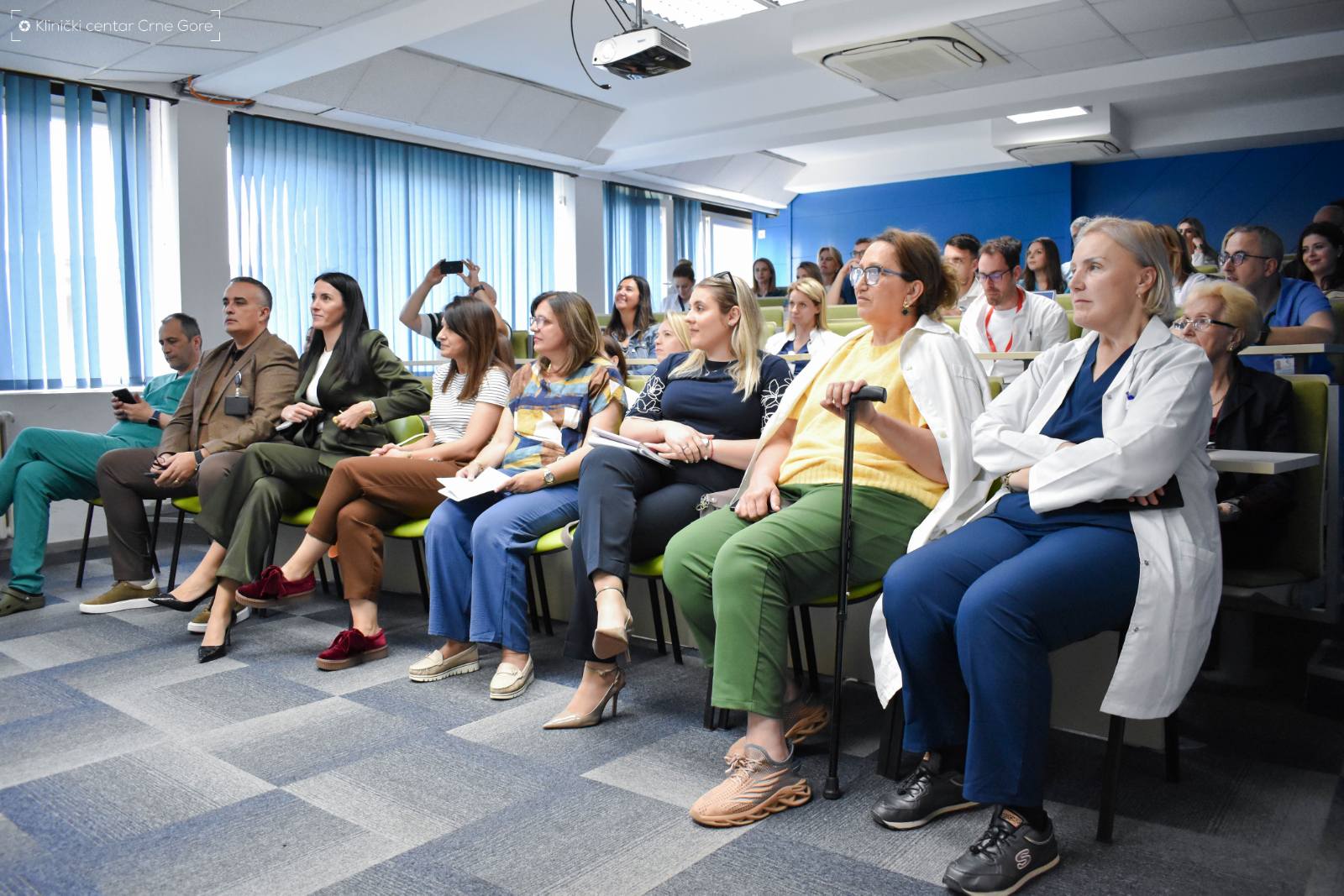
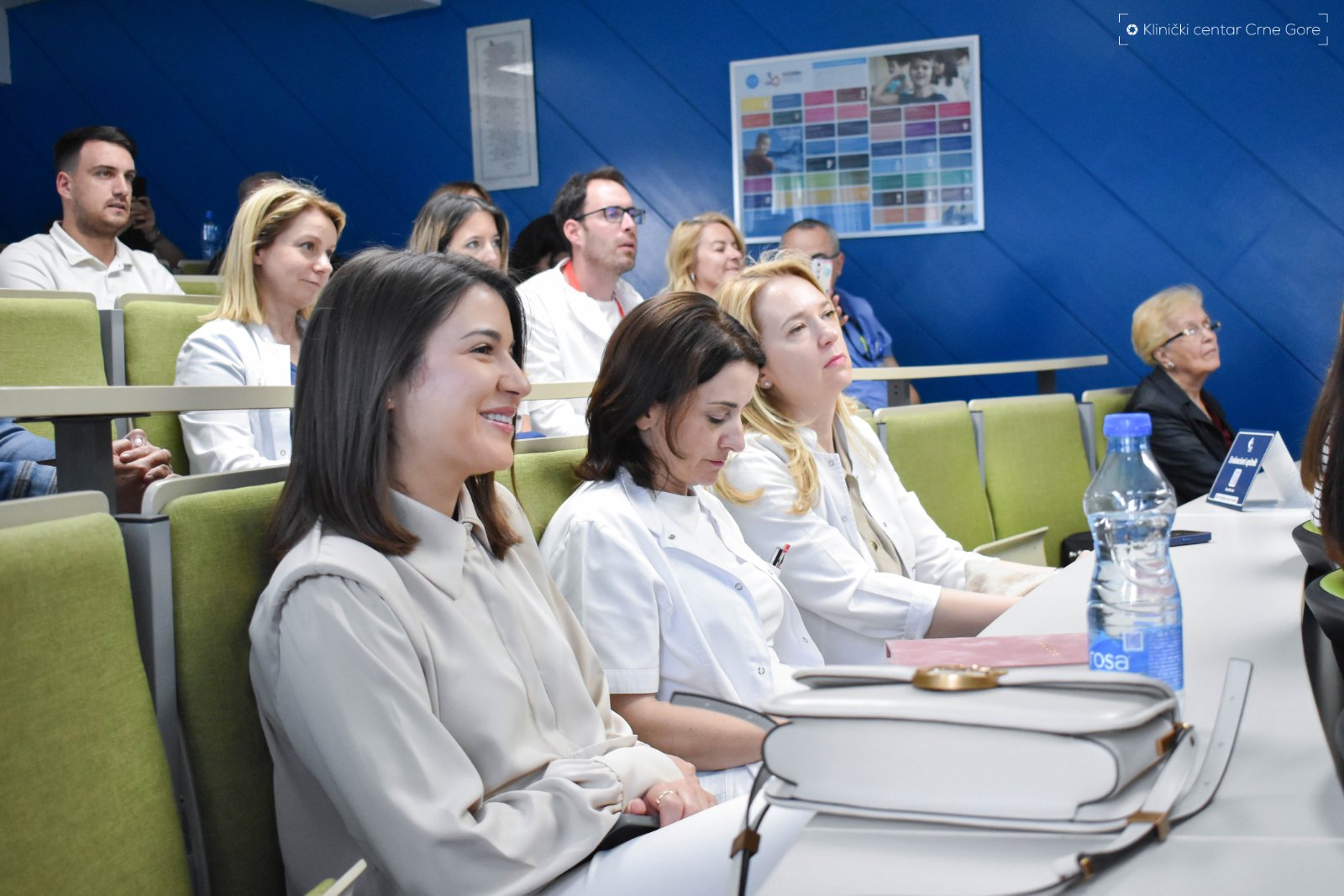
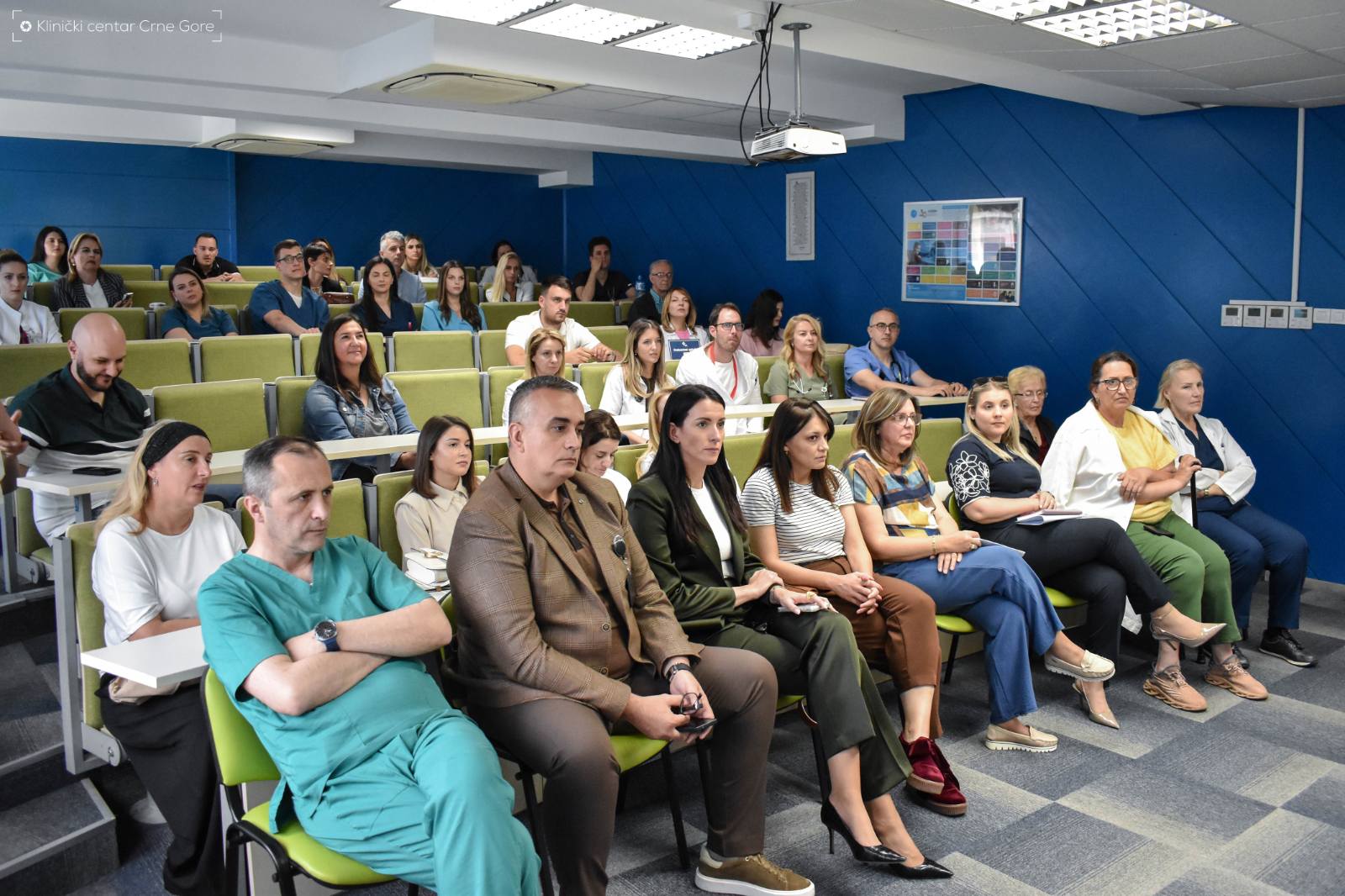
On the occasion of World Inflammatory Bowel Disease Day (“World IBD Day”), the Clinical Center of Montenegro Center for Science and Internal Medicine Clinic organized a series of lectures as part of the continuous medical education program. The event was held at the amphitheater of the Institute for Children’s Diseases within the Clinical Center of Montenegro.
Participants emphasized the importance of early diagnosis, timely treatment, and continuous monitoring, particularly in patients suffering from Crohn's Disease and Ulcerative Colitis.
World IBD Day is observed annually on May 19 with the aim of raising awareness about chronic inflammatory bowel diseases. This year’s global slogan is: “Treatment Has No Borders.”
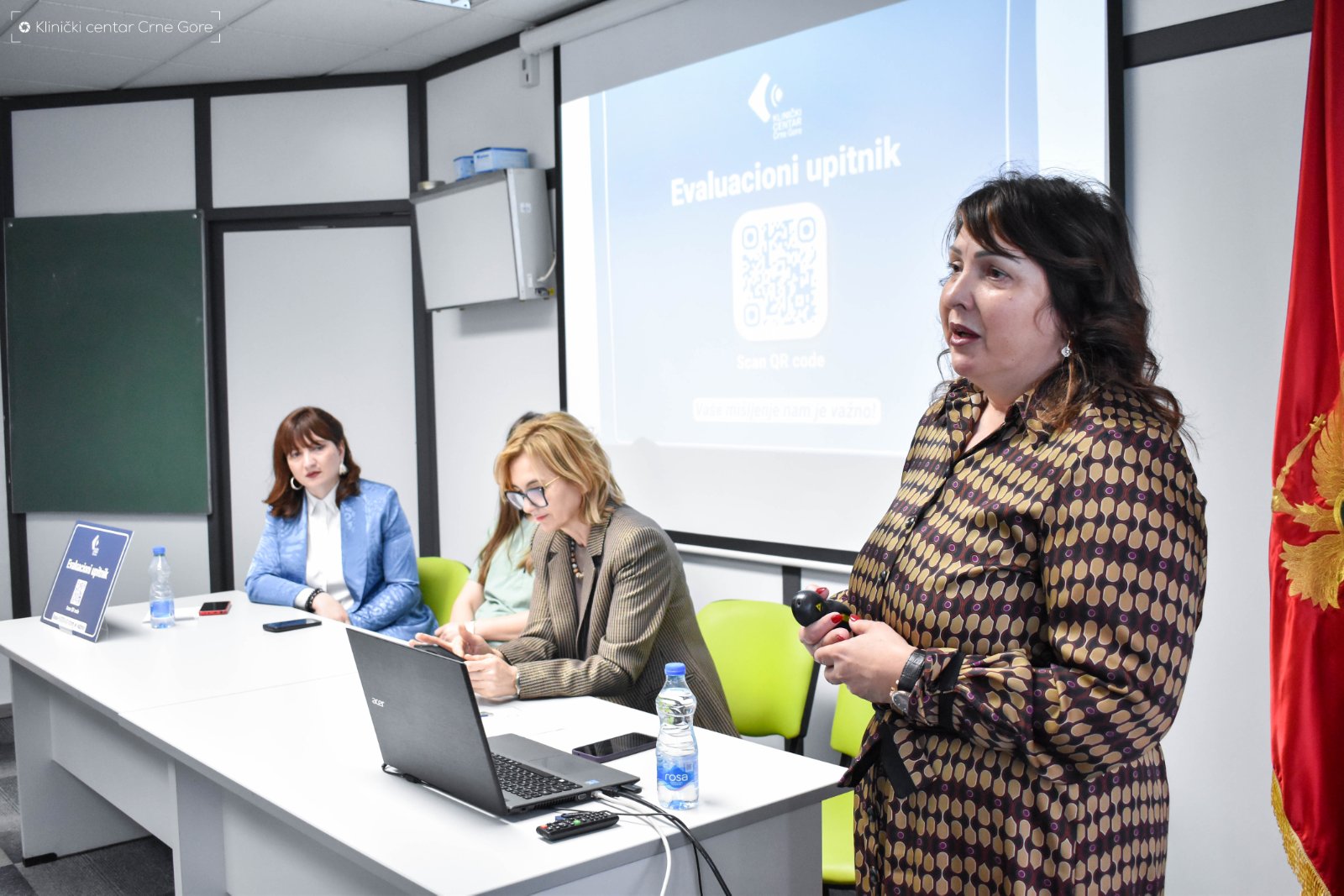
Prof. Dr. Brigita Smolović, Director of the Center for Science and President of the Association of Gastroenterohepatologists of Montenegro, delivered the opening lecture focusing on access to healthcare for patients living with IBD. She noted that approximately 4.9 million people worldwide are affected by IBD and stressed that uncontrolled inflammation carries long-term risks of serious complications, hospitalization, and surgical treatment.
Prof. Dr. Smolović highlighted the availability of advanced therapeutic options, while also pointing out that many patients still experience suboptimal disease control and must cope with the unpredictability of their condition. She emphasized the importance of introducing the right therapy for the right patient as early as possible, supported by timely and accurate diagnostics.
Opening remarks were delivered by Slavica Bulatović, Deputy President of the Montenegrin Association for Crohn’s Disease and Ulcerative Colitis.
Dr. Olivera Sekulić, Head of the Gastroenterohepatology Department at the Clinical Center of Montenegro, spoke about the early diagnosis of IBD. Dr. Marija Đurović, specialist in internal medicine and subspecialist in gastroenterohepatology at the Internal Medicine Clinic, presented on mental health disorders associated with IBD, with a special overview of a study conducted during the COVID-19 pandemic based on data from the Clinical Center of Montenegro. Dr. Sanja Vučetić Ćalasan presented findings from a Clinical Center study on the quality of life of patients living with IBD.
“IBD Day” represents an important opportunity for open dialogue, breaking social taboos, and raising awareness about the seriousness of inflammatory bowel disease, particularly among children.
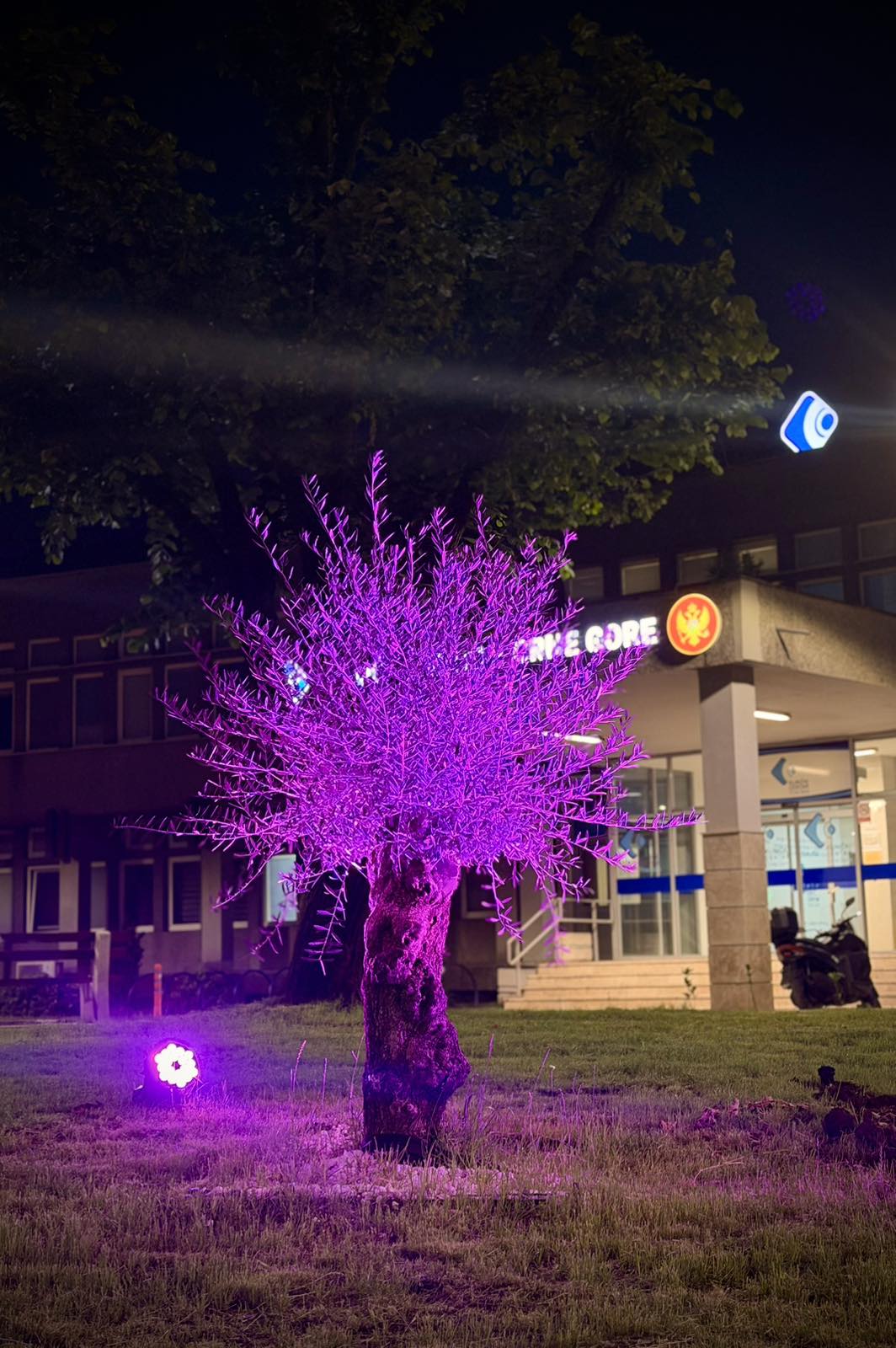
As a symbol of support for people living with IBD, the “Olive of Health” at the Clinical Center of Montenegro was illuminated in purple last night — the internationally recognized color of support for IBD patients. This evening, the Millennium Bridge, the building of the Capital City Assembly, and the Capital City administration building will also be illuminated in purple in observance of World IBD Day.